
The Chandrayaan-2 spacecraft is expected to reach the moon's orbit on August 20 and land on lunar surface on September 7.
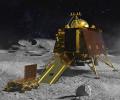
ISRO chairman K Sivan said the proposed soft-landing was going to be a 'terrifying' moment.

Other than the Cartosat-2 series satellite, the PSLV is carrying 29 nano satellites from 14 countries - Austria, Belgium, Chile, Czech Republic, Finland, France, Germany, Italy, Japan, Latvia, Lithuania, Slovakia, the United Kingdom and the United States of America besides a nano satellite from India.

Having reached the Red Planet, ISRO can now focus on getting humans in space and secure the resources to do it

Amphibious drones for maritime inspection... devices that extract pure oxygen from water for patients in need... self-balancing electric bikes...
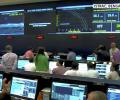
'When you look at it from the point of view of science, Chandrayaan 2 is a big success.'

The stage is set for the launch of India's satellite IRNSS-1D on Saturday from Sriharikota onboard workhorse PSLV-C27 that would pave the way for the country's own navigation system on par with the GPS of United States.
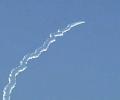
India on Monday successfully launched the first technology demonstrator of indigenously made Reusable Launch Vehicle, capable of launching satellites into orbit around earth and then re-enter the atmosphere, from Sriharikota in Andhra Pradesh.
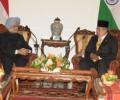
The two countries have decided to expedite trade related issues and signed six pacts to take forward their strategic partnership. Rediff.com's Sheela Bhatt, who is travelling with the prime minister on his visit to Indonesia, reports from Jakarta.

ISRO's expedition to Mars is yet another breathtaking adventure for an organisation created by Dr Vikram Sarabhai and carefully nurtured by scientists like A P J Abdul Kalam and R Aravamudan.
